Pioneering Self-Fault Monitoring Fire Alarms: A Construction Site Must Have!

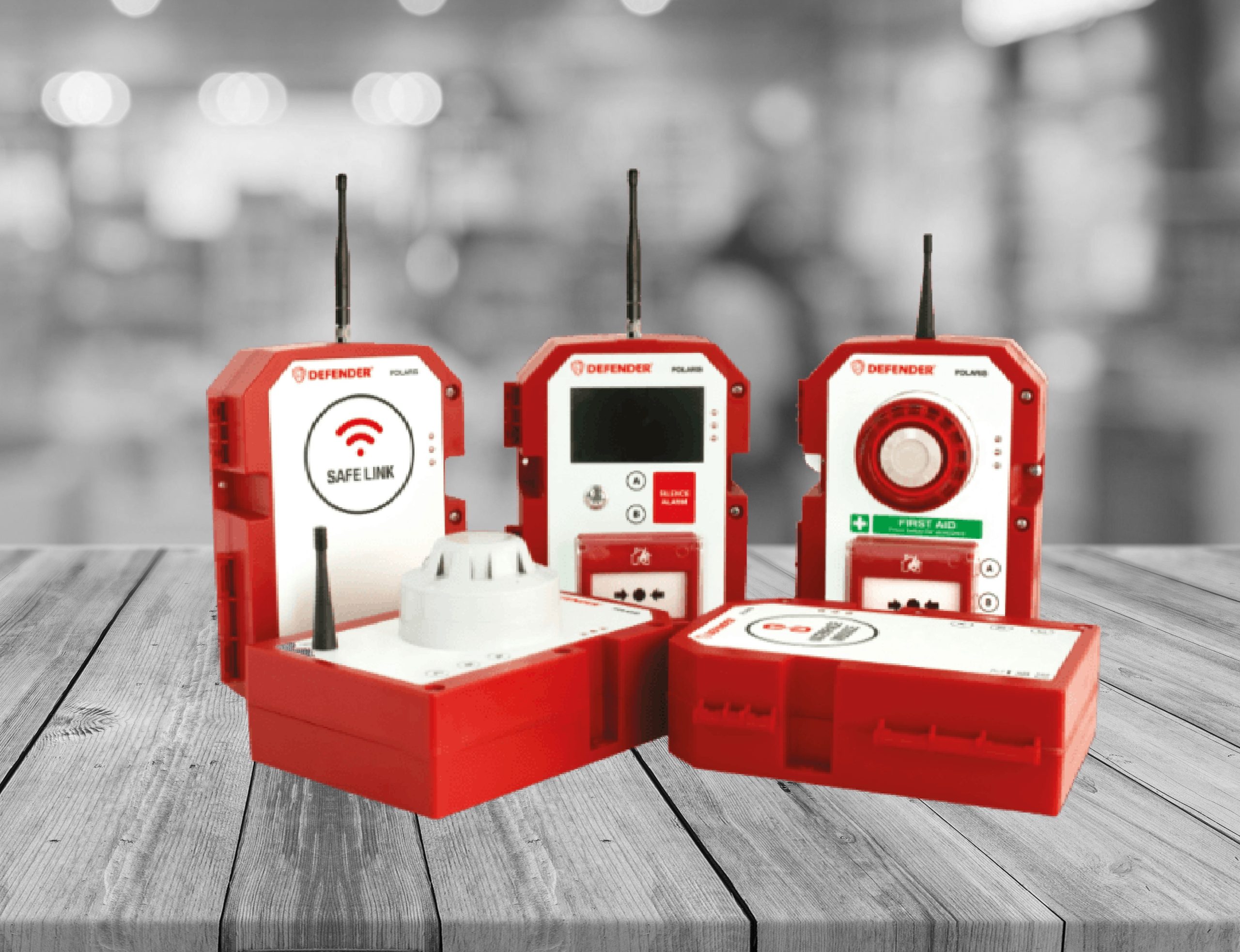
Polaris Wireless Alert System

Pioneering Self-Fault Monitoring Fire Alarms: A Construction Site Must Have!

Construction sites are inherently high-risk environments, as they involve the frequent use of flammable materials, heavy equipment, and temporary structures. As a result, this combination creates a unique and complex set of fire hazards. Although stringent safety measures are often put in place, the constantly changing nature of construction sites makes it difficult to maintain continuous and consistent fire safety.

For this reason, implementing a fire alarm system with continuous self-fault monitoring provides a significant safety advantage. Not only does it ensure the system remains fully operational, but it also allows teams to identify and address issues immediately. Consequently, construction sites can maintain a higher level of protection, ensuring the alarm system remains reliable when it is needed most.

1. Proactive Safety and Prevention

Without a continuously monitored system, construction sites can experience unexpected downtime when equipment malfunctions occur. As a result, these failures may delay the detection of potential fire risks. To address this challenge, a fire alarm system with self-fault monitoring actively identifies issues as they arise. If any component, sensor, or communication channel fails, the system immediately flags it, allowing the site manager or fire marshal to respond without delay.

In contrast to traditional fire alarms, which often only reveal faults during testing or activation, self-monitoring systems continuously check their own performance. This means they automatically detect and notify personnel of any deficiencies, thereby preventing gaps in safety coverage and helping maintain a consistently protected site.

2. Reducing Human Error

On a busy construction site, manual inspections can easily become inconsistent or even overlooked, especially when teams are managing a high volume of tasks and workers bring varying levels of expertise. As a result, relying solely on manual checks increases the risk of missed faults.

To overcome this, fire alarm systems with self-fault monitoring significantly reduce the need for manual inspections. By doing so, they minimise human error while ensuring continuous, automatic system checks. Not only do these systems highlight faults as they occur, but they also provide a real-time, automated approach to detection. Consequently, personnel can focus more effectively on other safety-critical responsibilities.

This level of consistency becomes even more important on sites where equipment and safety systems are exposed to dust, moisture, and fluctuating power supplies. In such conditions, these environmental factors can impair a fire alarm’s performance; however, self-monitoring systems help maintain reliability despite these challenges.

3. Faster Response to Fire Hazards

In the event of a fire, every second counts; therefore, a fire alarm system must remain fully operational at all times. By immediately detecting faults, a self-monitoring system ensures it is always ready to respond without delay. Otherwise, if a fault compromises the alarm, an emergency can escalate before any action is taken.

To prevent this risk, fire alarm systems with self-monitoring capabilities continuously maintain performance and efficiency around the clock. If a fault occurs, the system instantly alerts onsite personnel, supervisors, and even an off-site monitoring centre. As a result, teams can respond quickly and effectively, reducing delays and strengthening overall site safety.

4. Enhanced Compliance and Risk Management

Most construction projects must comply with strict safety regulations that require regular fire alarm checks and ongoing maintenance. As a result, keeping accurate and up-to-date records can be both time-consuming and demanding.

However, a fire alarm system with continuous self-fault monitoring streamlines this process. By automatically logging system health and alert conditions, it helps teams maintain clear, reliable records. Consequently, site managers can more easily demonstrate compliance with regulatory standards while reducing administrative burden.

5. Cost Efficiency

While self-fault monitoring systems may initially cost more than traditional fire alarm systems, their ability to reduce maintenance costs and limit expensive repairs over time can result in significant savings. By identifying and addressing faults early, these systems reduce the likelihood of a complete system failure, which could be costly to repair and potentially disrupt construction timelines. Preventive measures also save money by reducing the frequency of manual inspections, allowing construction teams to allocate resources more effectively.

Why you need a self fault monitoring fire alarm

A fire alarm system with continuous self-fault monitoring capabilities is an invaluable asset for construction sites. By enabling proactive safety management, reducing human error, ensuring faster response times, supporting compliance, and enhancing cost efficiency, these advanced systems address the unique challenges of construction environments. Investing in such a system not only enhances worker safety but also helps to protect valuable assets, reduce liability, and maintain project timelines.
The Polaris system can be configured up to 250 units. Fully capable of fulfilling any rapidly expanding site. For further details please Contact us today.