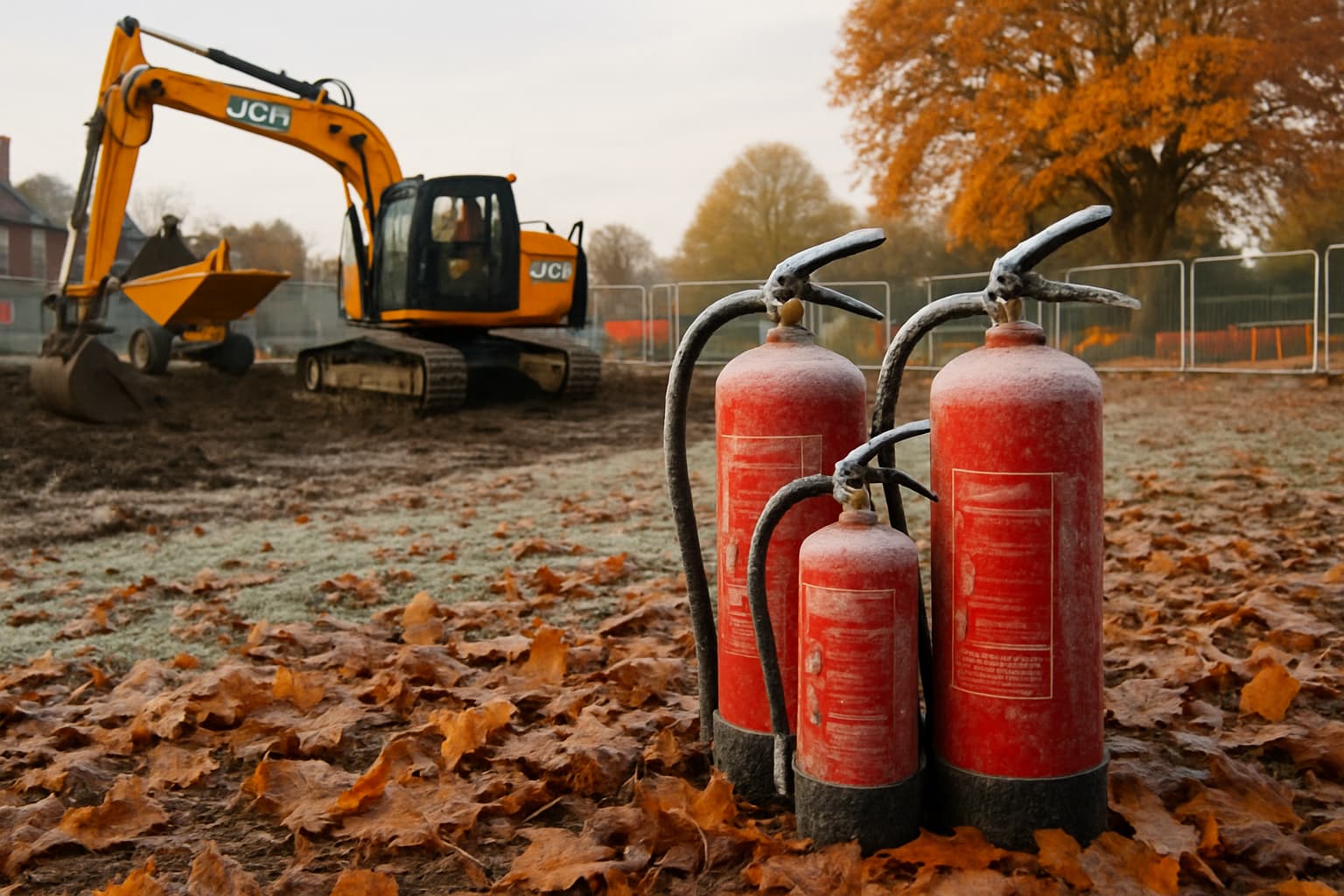

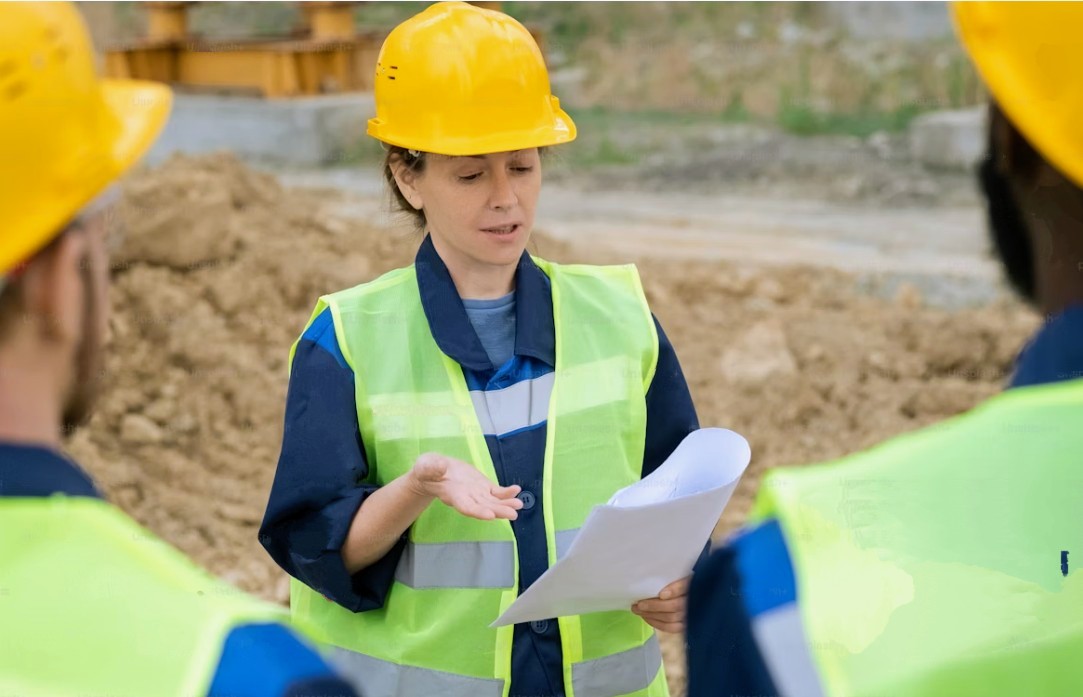
One of the most practical and effective ways to reinforce safety on-site is through regular toolbox talks. In this blog, we explore what toolbox talks are and why they matter and provide a detailed example of how to deliver an impactful talk on fire safety.
A toolbox talk is a short, focused safety briefing delivered on-site, typically lasting 5–15 minutes. The goal is to address specific risks, reinforce best practices, and prompt discussion among team members. These talks are especially effective because they’re
Toolbox talks are not only promoted by regulatory organisations such as the HSE (Health and Safety Executive) but are also regarded as best practice throughout the construction sector.
Construction sites are always changing: new machinery, makeshift buildings, varying weather conditions, and shifting team sizes can bring about unexpected hazards. Frequent toolbox talks assist in:
In environments where fire risk is a real and present danger, particularly where hot works, flammable materials, and temporary power supplies are involved, these talks can be lifesaving.
A fire safety toolbox talk should focus on the information workers need to know about fire safety on their site. This could include how to raise the alarm, what to do if a fire is discovered, where to go during an evacuation, and who to report concerns to.
The talk should reflect the work being carried out and give workers the chance to ask questions and raise any concerns they have. Keeping the discussion focused on one subject makes it easier for workers to understand the key points and remember what they need to do.
HSE describes a toolbox talk as a short presentation to the workforce on a single aspect of health and safety. CITB also recommends that toolbox talks are relevant to the site and audience, with time for discussion and feedback. It should not be a tick-box exercise.
A good toolbox talk does not need to be complicated. Start by explaining what the talk is about and why it is important. Keep the information clear and focus on the points workers need to know.
Where possible, relate the discussion to the site. For example, if you are talking about emergency procedures, ask workers where they would go if the fire alarm sounded. If arrangements have recently changed, explain what has changed and what workers need to do differently.
A toolbox talk should not simply involve someone reading information to a group. Allow workers to discuss the subject and ask questions.
Questions can help you check whether workers understand the information being discussed. They can also encourage workers to raise issues that may otherwise go unnoticed.
For a fire safety toolbox talk, you could ask:
The questions should be relevant to the site and the people attending the talk. There is no need to ask every question at every session.
Here’s how to run an effective toolbox talk on fire safety tailored for construction sites:
Duration: 10 minutes
Location: Site meeting area
Audience: All site workers, subcontractors, and fire marshals
“Today, we’re focusing on fire safety, which is one of the most critical risks on our site. Fires can start quickly and cause catastrophic damage, injury or worse. Everyone here has a role to play in prevention and response.”
Discuss key fire risks on your site:
You should also encourage team input on anything they’ve noticed.
Reiterate daily fire prevention measures:
Review the site’s fire response plan:
Test the team by asking them to point to the nearest extinguisher and exit.
Encourage team participation:
Wrap up with a reminder: “Fire safety is everyone’s responsibility. Let’s stay alert, keep our workspaces clean, and report hazards straight away.”
Lastly, ensure all attendees sign the toolbox talk register.
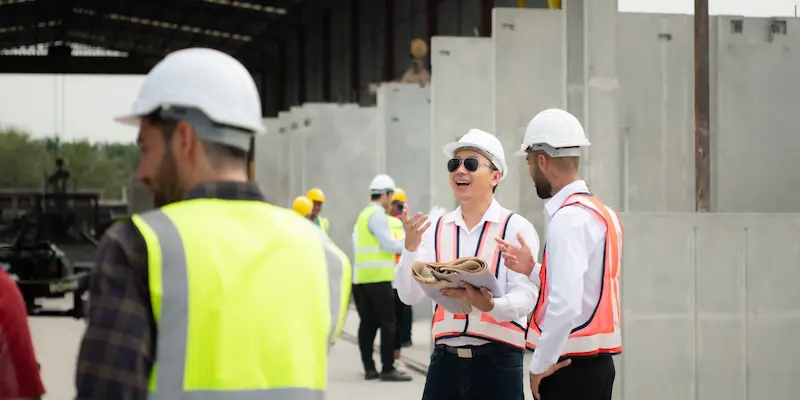
It is good practice to keep a record of toolbox talks delivered. A record can include the subject, date, location, person delivering the talk and the workers who attended.
You can also record questions raised during the discussion and any actions that need to be followed up.
The record is useful, but it should not become the main purpose of the exercise. The important thing is that workers receive the information, have the opportunity to ask questions and understand what is expected of them.
At Defender, we support construction firms across the UK by providing them with:
Whether you need help developing your fire response plan or supplying compliant fire protection equipment for a live site, we’re here to help.
Stay safe. Stay informed. And never underestimate the power of a 10-minute conversation.