
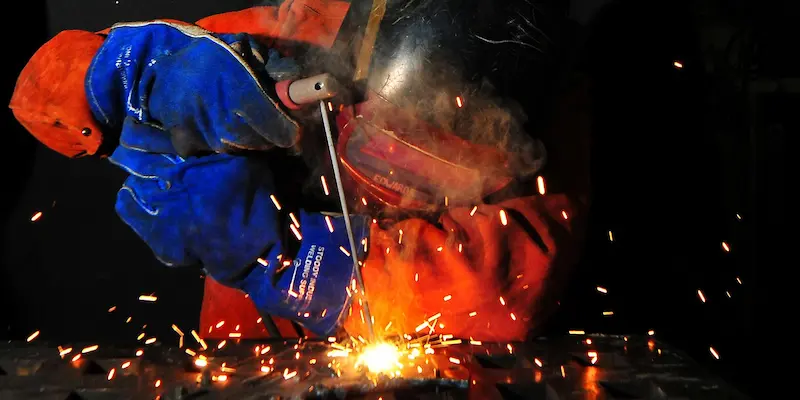
Construction sites are full of activities that can create sparks, heat, and flames. While these tasks are often essential to completing a project, they also represent one of the leading causes of site fires.
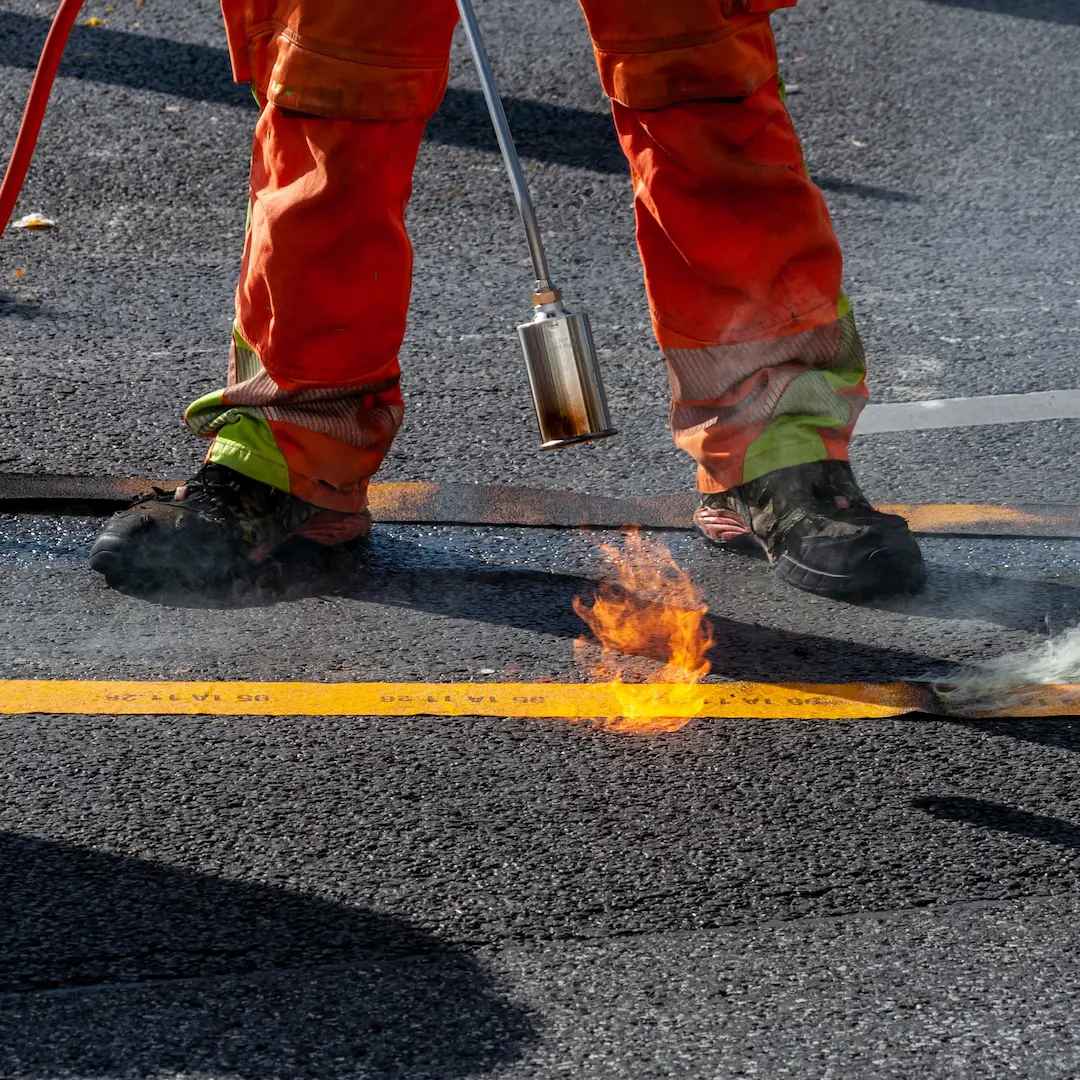
Whether it’s welding steel, cutting pipework, grinding metal, or carrying out roofing works with gas torches, a single spark can ignite combustible materials and cause significant damage, project delays, injuries, or worse.
For this reason, one of the main safety measures which must be present on a construction site is a hot works permit system.
‘Hot work’ refers to any operation that produces flames, heat, sparks, molten material, or other ignition sources capable of starting a fire.
Common construction examples include:
Most often, fires take place not while the operation is ongoing, but when the operatives leave the site. Sparks can travel considerable distances and become trapped in voids, cavities, insulation, or behind temporary structures where they remain undetected before igniting.
A hot work permit is a documented authorisation proving that:
The permit does not replace risk assessment and training; it acts as a supplementary safety measure for risky work operations. However, it is important to remember that a permit can only be useful when the team at the site conducts a hazard assessment both before and after the work is conducted.
UK law does not explicitly mention the need for a permit for all hot work operations.
Nevertheless, both employers and contractors have legal obligations under:
Responsible persons must take appropriate fire precautions to reduce fire risk and protect relevant persons.
Duty holders must plan, manage, and monitor construction work so that it is carried out safely.
Employers must provide safe systems of work and protect employees and others affected by their activities.
In practice, many principal contractors, insurers, and clients require hot works permits as part of their fire safety management procedures.
Learn more about Fire Safety Regulations.
Construction sites experience constant changes.
New materials are introduced each day. Temporary structures are erected. Waste is generated. Different trades are involved. Risks associated with fire can vary each day.
The use of a hot works permit process ensures that these risks are identified beforehand.
Advantages of using this process are as follows:
Some of the most reported causes include:
Packaging, timber, insulation, dust, and waste materials are left close to work areas.
Workers leave immediately after completing the task, allowing hidden ignition sources to develop unnoticed.
Wall cavities, ceiling voids, service risers, and floor penetrations contain combustible materials that are not visible during the work.
Work begins without proper authorisation, inspection, or supervision.
Damaged hoses, faulty regulators, and poorly maintained equipment increase fire risk. Learn more about regular maintenance.
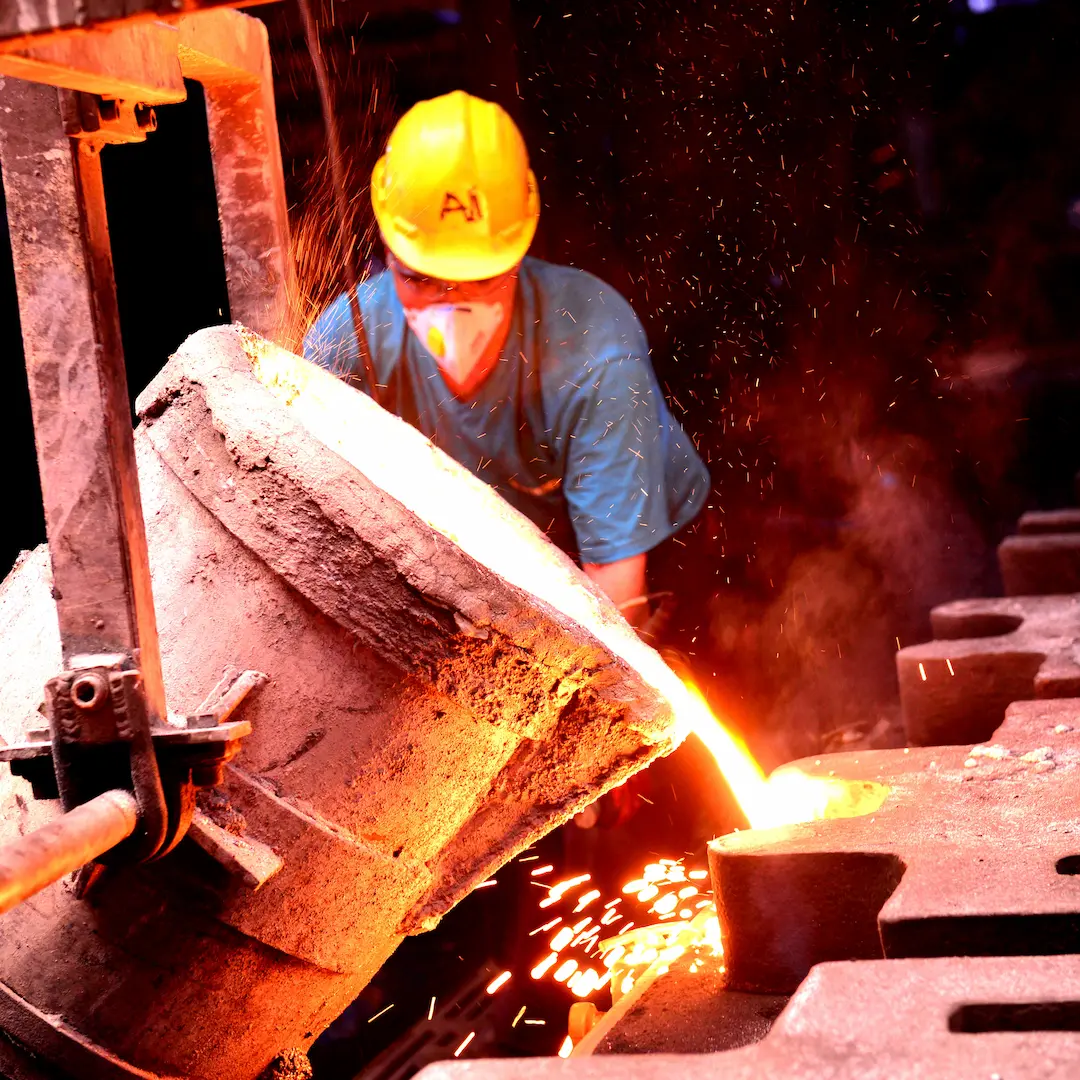
An effective permit is short enough to use on a busy site but detailed enough to verify controls.
| Section | Minimum content |
| Work details | Task description, exact location, permit number, start and finish times. |
| People | Permit issuer, contractor/supervisor, operative, fire watch. |
| Pre-start checks | Combustibles removed or protected, services isolated if required, ventilation confirmed, extinguishers available, access/egress clear. |
| Work controls | Screens or blankets fitted; spark containment, gas cylinder controls, and housekeeping arrangements. |
| Fire watch | Named person, patrol area, post-work monitoring duration, and communication method. |
| Close-out | Area inspected, no signs of smouldering, permit closed and signed off. |
One of the most common failures on construction sites is ending supervision too early.
The Joint Code of Practice (JCoP) and many insurer requirements typically call for:
The exact requirements may vary depending on:
The key principle is simple: the area must remain under observation long enough to detect any delayed ignition.
Clearly identify all activities considered hot work within site rules.
Avoid treating grinding or abrasive cutting as low-risk activities. These operations frequently generate significant spark hazards.
Everyone involved should be aware of:
The requirement for the permit should be included in the site induction programme.
The permit issuer should be a:
The issuer should know the nature of the work being carried out and the fire safety implications.
Permits should never be issued remotely.
The issuer should physically inspect the location and surrounding areas before authorisation.
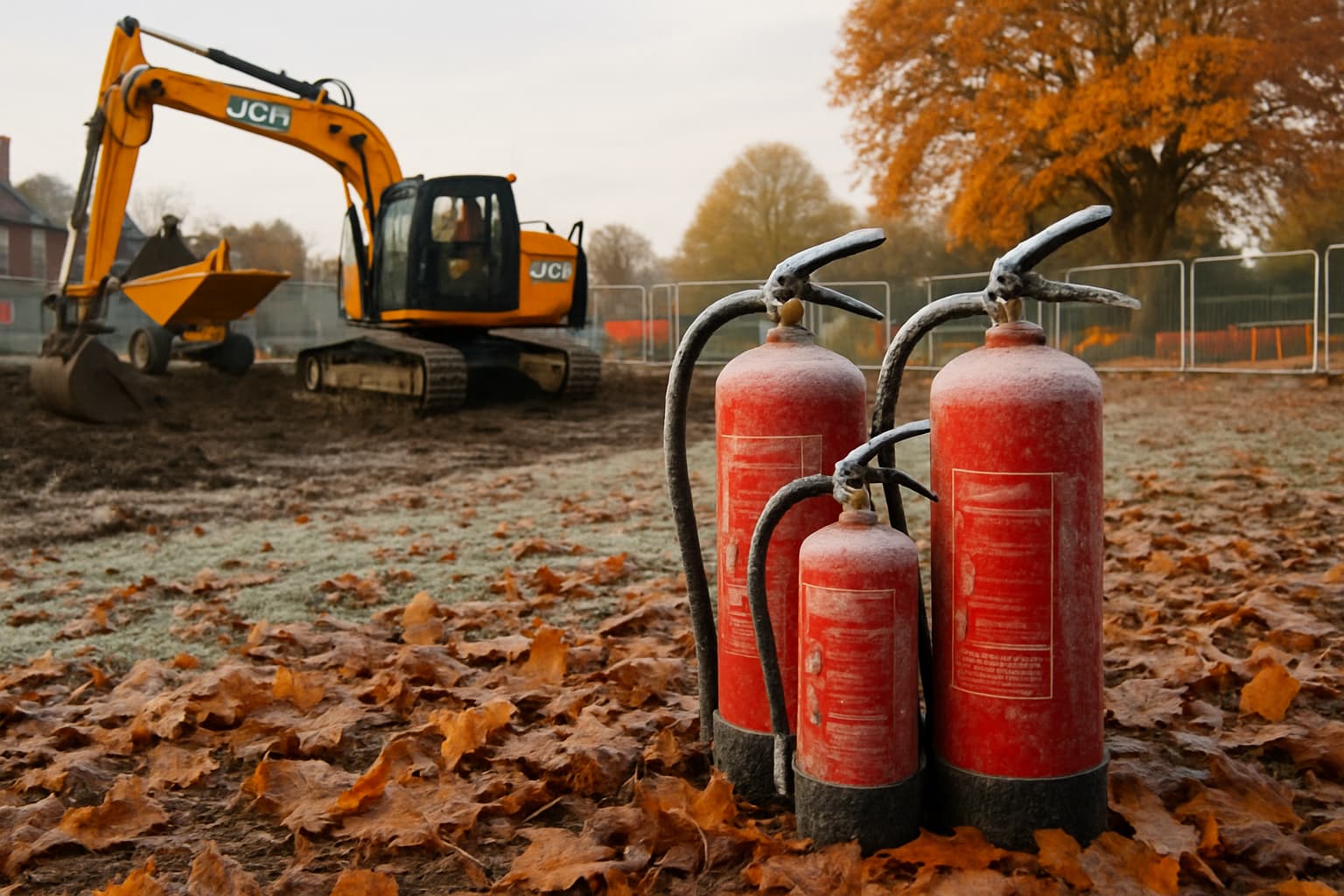
There should be a sufficient number of extinguishers and other fire protection equipment strategically located around site.
Active permits should be visible and accessible at the work location.
This improves communication and accountability.
Before closing the permit:
Prior to issuing a permit, make sure that:
✓ Work area is inspected
✓ Combustible materials are removed
✓ Combustible materials are safeguarded
✓ Equipment is inspected
✓ Appropriate extinguishing equipment is available
✓ Escape routes are clear
✓ Fire watch is arranged
✓ Monitoring arrangements are made
✓ Close-out procedure is established
| Failure | Better practice |
| Permit issued without visiting the work area. | Require a physical pre-start inspection. |
| Combustibles hidden behind linings or in voids are missed. | Inspect adjacent spaces and penetrations, not just the visible surface. |
| Fire watch leaves when the task finishes. | Specify and enforce a post-work monitoring period. |
| Extinguishers are available, but not appropriate or accessible. | Confirm type, quantity, location, and access before work begins. |
| Permits remain open for multiple days. | Issue permits for a defined shift or task window only. |
| Grinding is treated as “minor” work and bypasses the permit system. | Include spark-producing grinding and cutting in the trigger list. |
Only authorised personnel who have been trained in the organisation’s permit-to-work system and understand the associated fire risks.
Yes. Many contractors now use digital permit systems. However, inspections, approvals, and sign-offs must still be completed properly.
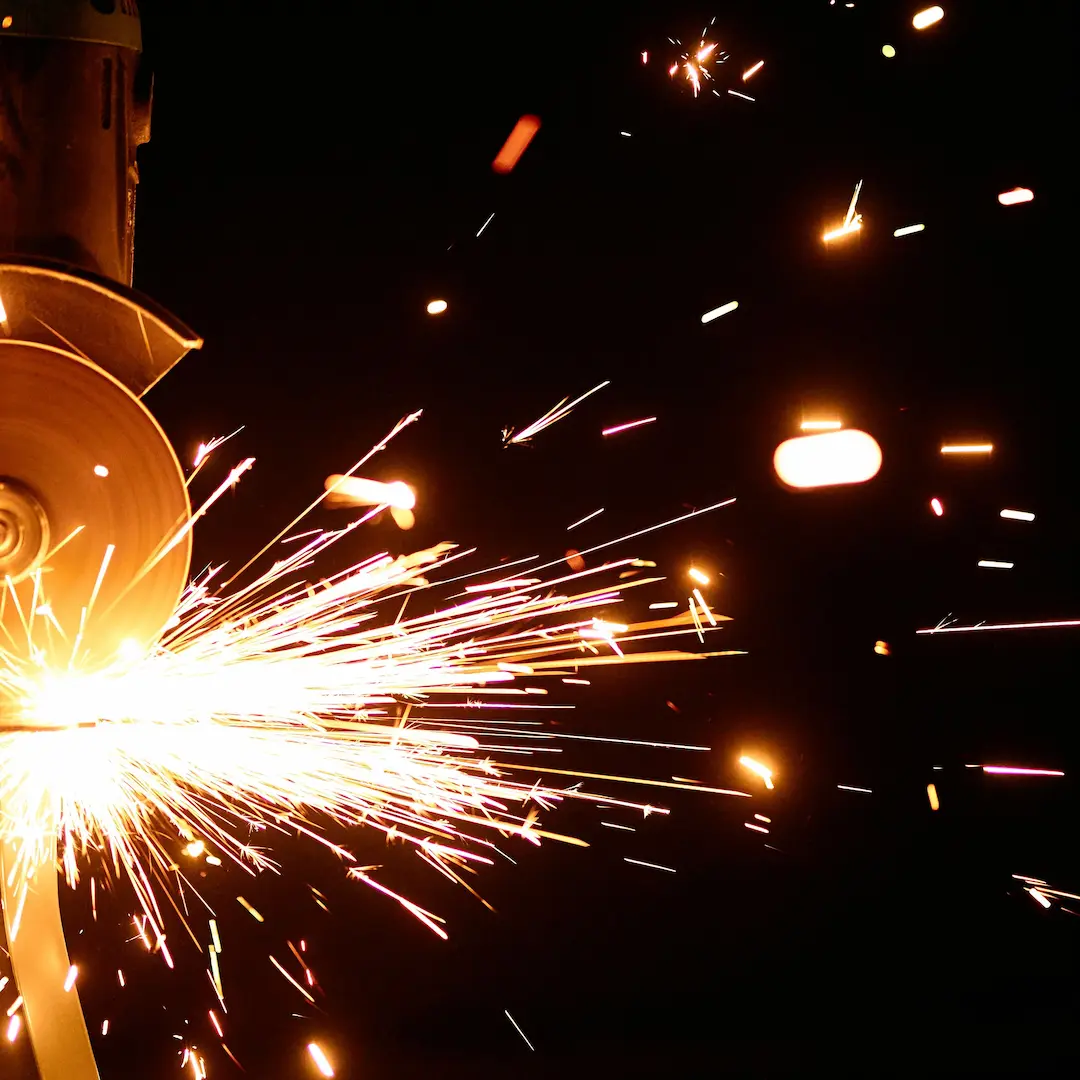
Yes. Grinding often produces sparks capable of travelling several metres and igniting combustible materials.
Requirements vary depending on site conditions and insurer requirements. Many organisations follow a minimum 60-minute post-work fire watch, with additional inspections where appropriate.
To ensure hot work only takes place when fire risks have been assessed, and suitable controls are in place.
Hot works remain one of the highest fire-risk activities on construction sites. The correct implementation of hot work permits ensures that any hazard or risk is recognised and controlled while making sure that all responsibilities are clearly identified.
Simple systems, consistent implementation, and competent management can go a long way in minimising the fire hazard when accompanied by good housekeeping practices and fire watch procedures.
Managing hot works effectively requires more than a permit. Site teams also need immediate access to extinguishers, fire blankets, inspection records, permits, and emergency equipment.
A dedicated hot works trolley provides a practical way to store and transport essential fire safety equipment around the site, helping teams stay organised, compliant, and prepared before hot work begins.
Looking to improve your hot works management process? Explore our range of hot works trolleys and find a solution designed for busy construction environments.