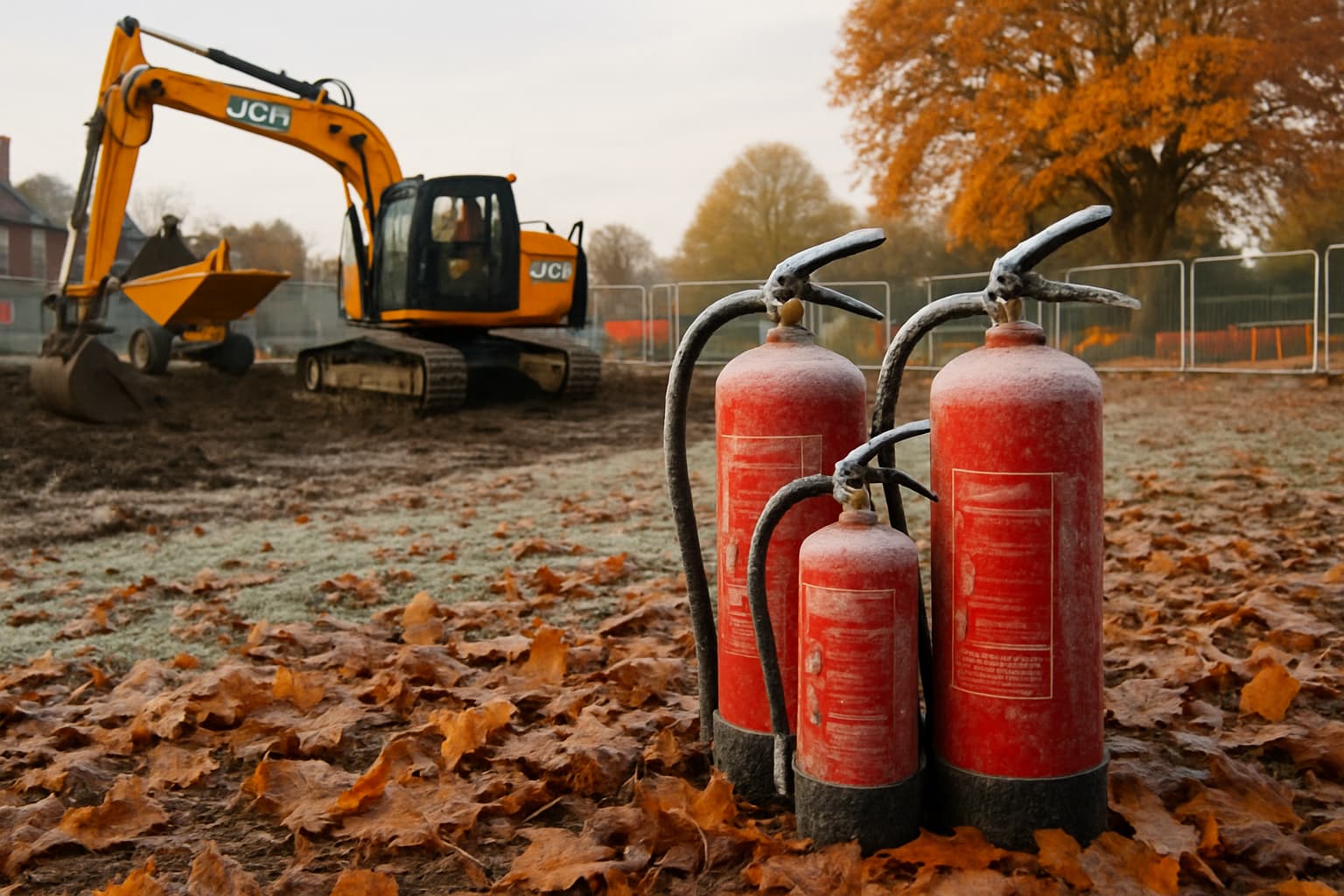


Fire safety regulations in the UK are very important. They help protect people, buildings, and the environment. Construction sites need extra care because they change all the time and can have many fire risks.
If you manage a construction site, you must follow the law and make sure your fire safety plan is correct. This includes fire extinguishers, alarms, escape routes, and safe working practices.
This guide explains the main UK fire safety rules in simple terms.
The main law for fire safety in England and Wales is the Regulatory Reform Order 2005, often referred to as the Fire Safety Order 2005 (FOS).
This law states that the person in charge of a building or site must:
On construction sites, this often works together with the Construction (Design and Management) Regulations 2015 (CDM), to ensure that health and safety, including fire safety, is integrated into all phases of a construction project. There are also UK standards, such as BS 5306, for fire extinguishing systems that require all extinguishers to be inspected and serviced annually by a qualified technician.
Together, these laws make sure fire safety is part of every stage of a building project.
Every site must have a Responsible Person.
This is usually:
They must:
Fire safety is not just one person’s job. Everyone on site must follow the rules and help keep the site safe.
A fire risk assessment is a careful check of the site to find anything that could cause a fire.
It must:
Construction sites change often, so fire risks must be reviewed again and again.

The law says fire safety equipment must be provided based on risk.
This may include:
Fire extinguishers must be:
Different types of extinguishers are used for different fire risks, such as electrical fires or flammable liquids.
One of the biggest fire risks on construction sites is hot works.
Hot works include:
When this work is done, extra safety steps must be followed:
This helps stop fires from starting from sparks or heat.
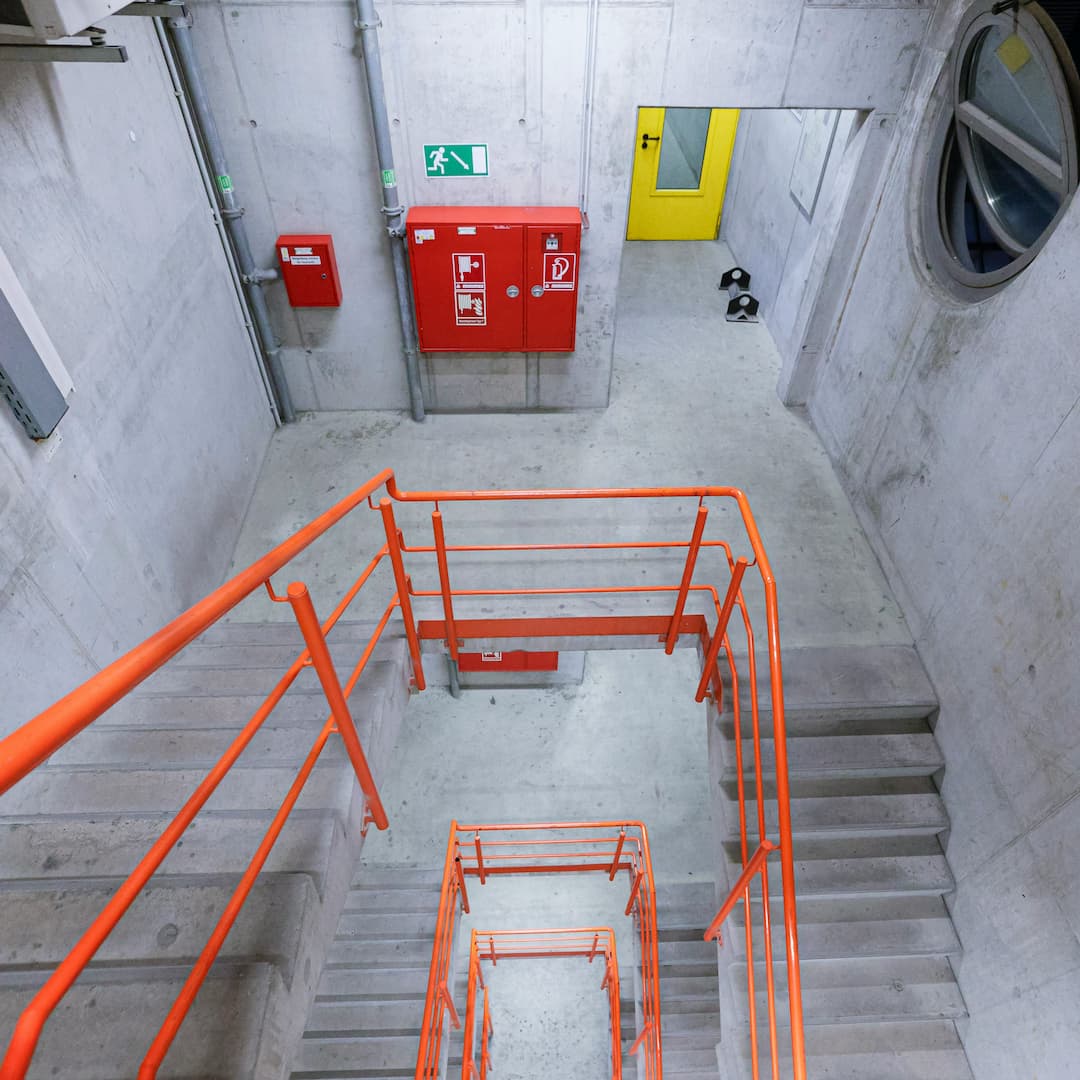
Every construction site must have safe escape routes.
These must be:
Workers must always know how to leave the site quickly if there is a fire.
All workers must receive comprehensive fire safety training on construction sites to help to minimise accidents, boost confidence, and ultimately save lives.
They must understand:
Training must be updated when the site changes or new risks appear. This helps workers stay calm and act quickly in an emergency. Defender can offer easily deployable fire trolleys and mobile fire points that enhance training with practical, quick-response capabilities, equipping your team with the necessary tools to respond swiftly and ensure their safety.
Fire safety regulations are checked and enforced by:
They can:
The Health and Safety Executive make sure construction sites follow health and safety rules, including fire safety under CDM regulations.
Construction sites often have:
These must also follow fire safety rules when they are in use. They need:
Good fire safety is essential because it helps protect lives, prevents serious damage, keeps projects running on time, and reduces the risk of legal problems. When fire safety is not taken seriously, the consequences can be severe, including injuries or loss of life, costly project delays, fines or legal action, and damage to a company’s reputation.
Good fire safety is not just about following the law. It is also about planning ahead and making sure everyone understands the risks.
Simple steps like:
can make a big difference. Whether you’re aiming to meet fire risk assessment standards or enhance the safety culture on your construction site, Defender has the products and expertise to assist you.
Fire safety rules in the UK are there to keep construction sites safe. They must be followed at all times and reviewed often because sites change quickly.
By understanding the law, carrying out regular checks, and training workers properly, construction sites can stay safe, legal, and well organised.
Stay compliant. Stay protected. Stay ahead. Trust Defender – your partner in construction site fire prevention. Shop Now!