
Fire safety is one of the biggest responsibilities on any construction site. From hot works and temporary electrics to fuel storage and battery charging stations, building projects face serious fire risks every single day.
That is why understanding fire extinguisher certification, UK fire extinguisher laws, and construction fire safety standards is so important.
Many contractors, site managers, and builders see labels like BS EN3, UKCA, CE, LPCB, and BAFE on extinguishers without fully understanding what they mean. Choosing the wrong extinguisher or using equipment without recognised approvals could create safety risks, insurance issues, or compliance problems during inspections.
Construction sites are high-risk working environments. Fires can spread quickly because of:
Fire extinguishers are often the first line of defence before emergency services arrive.
Certified fire extinguishers help show that the equipment has been tested against recognised safety standards for:
Using properly certified extinguishers can also support:
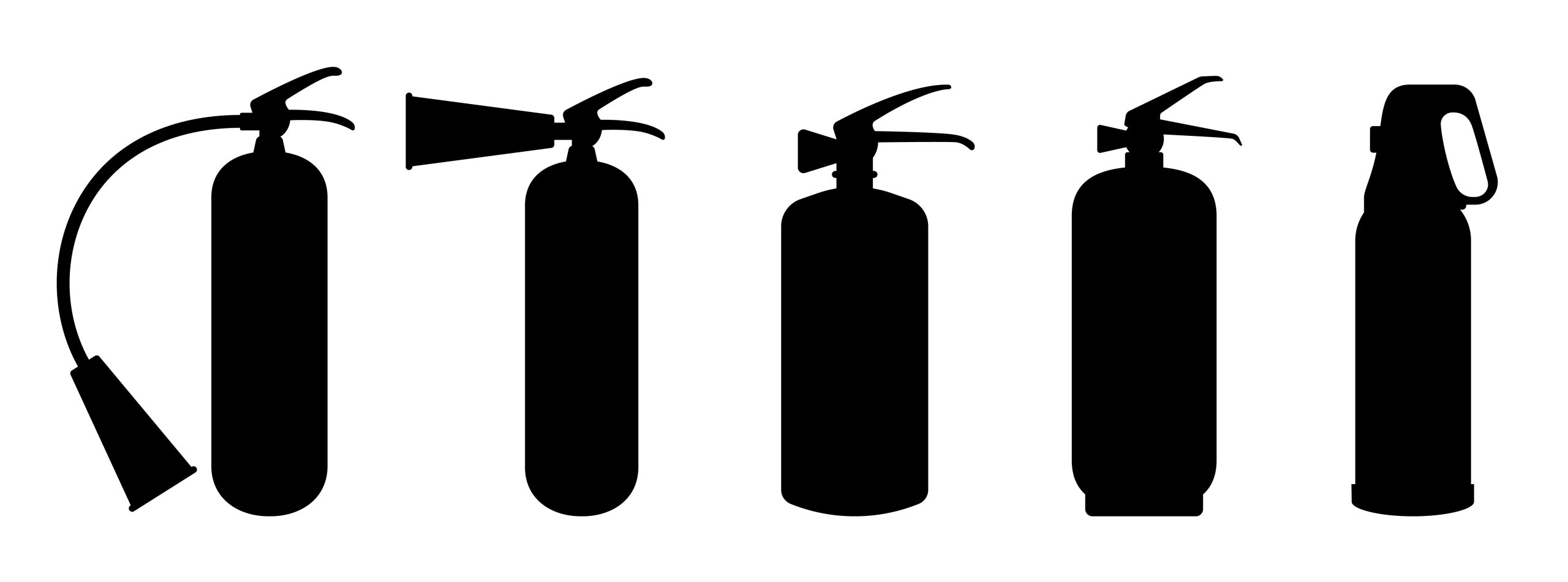
Many people search for “fire extinguisher law UK” without realising there is not a single law that lists every extinguisher requirement.
Instead, UK fire safety laws focus on providing suitable fire protection based on risk.
The main fire safety law for non-domestic premises in England and Wales is the Regulatory Reform (Fire Safety) Order 2005.
Under this law, the “Responsible Person” must make sure appropriate fire safety measures are in place where needed.
This can include:
On construction sites, the responsible person may include:
The law does not usually say:
“you must buy this exact extinguisher”
“you must use this specific brand”
Instead, the equipment must be suitable for the risks identified on site.
Read more about UK Fire Safety Regulations.
BS EN3 is the main British and European standard for portable fire extinguishers used in commercial environments across the UK.
BS EN3
This standard covers:
Most commercial and construction environments use extinguishers designed to BS EN3 standards because they align with recognised industry guidance and fire safety expectations.
Construction sites are tough environments. Equipment can be knocked over, exposed to weather, or moved around frequently.
BS EN3 approved extinguishers are designed for professional use and are commonly specified on:
UKCA stands for UK Conformity Assessed.
UKCA
Since Brexit, UKCA marking has been introduced for many products placed on the market in Great Britain. However, CE marking is still recognised in several sectors under current UK government guidance.
For fire extinguishers, UKCA marking helps show that the product meets relevant UK safety and manufacturing requirements.
Many extinguishers now carry both:
This is common for manufacturers supplying both UK and European markets.

Some procurement teams and contractors now request:
This is especially common on:
CE marking shows that a product meets relevant European safety standards.
CE
Many fire extinguisher manufacturers still use CE marking because they distribute products throughout Europe.
CE-approved extinguishers are usually tested for:
For companies working across international construction projects, CE marking may still be an important procurement requirement.

LPCB stands for the Loss Prevention Certification Board.
LPCB approval is not a legal requirement, but it is widely respected across the fire safety industry because products go through independent testing and certification.
Many insurers, consultants, and major contractors prefer LPCB-approved fire safety products because they provide additional confidence in quality and performance.
LPCB-approved extinguishers are often specified on:
For construction firms, using independently certified products may help strengthen overall fire safety management.
Buying a certified extinguisher is only part of the job. Maintenance and servicing are just as important.
BAFE is an independent UK fire safety registration body that helps recognise competent fire safety service providers.
BAFE registration itself is not legally required. However, using a BAFE-registered company can help demonstrate competency and support compliance with recognised British Standards.
Construction sites change constantly. Extinguishers can become:
Regular servicing helps make sure extinguishers remain ready for emergencies.
BS 5306 Fire Extinguisher Maintenance Guidance
British Standard BS 5306-3 recommends annual basic servicing for portable extinguishers, with additional extended servicing intervals depending on extinguisher type.
Learn more about fire equipment maintenance requirements.
Under UK fire safety law, the responsible person must help ensure suitable fire safety measures are in place.
Depending on the project, this may include:
Responsibilities may include:
This is especially important on larger projects where multiple contractors are working together.
Learn more about fire extinguisher placement on site.
Different fire risks require different extinguisher types.
Best for:
Best for:
Best for:
Best for:
Best for:
Construction projects often require several extinguisher types across different work zones.
Cheap extinguishers may not always meet recognised industry standards or site requirements.
Construction firms should look for:
A fire extinguisher is only useful if it matches the actual fire risks on site.
For example:
Even new extinguishers require inspections and servicing.
Poor maintenance can lead to:
Learn more about the importance of professional fire extinguisher servicing.
Before purchasing extinguishers, check for:
Construction companies should also make sure that extinguishers are:
Fire extinguisher certifications are not just technical labels. They help construction companies choose equipment that meets recognised safety standards and supports workplace fire safety compliance.
For construction firms, the safest approach is to:
Understanding UK fire extinguisher regulations and construction fire safety standards can help protect workers, reduce risks, support compliance, and improve overall site safety.
For expert advice on purchasing your fire extinguishers for site, contact our team.