
Fire safety signage is an important part of workplace and construction site safety. During an emergency, clear and correctly positioned fire signs can help people quickly identify escape routes, locate fire equipment and understand the actions they need to take.
Unfortunately, fire safety signs tend to be overlooked until fire safety assessment, inspection, and compliance issues come into question.
For any business or contractor involved in managing a construction project, proper fire safety signage is much more than simply installing fire exit signs. It is about making sure that all individuals at the work site can easily get the necessary information during an emergency.
During a fire emergency, people do not always respond logically. Smoke, noise, low visibility and panic may affect one’s ability to recall the necessary procedure and find the emergency equipment.
Well-designed fire signage provides immediate visual guidance by:
Effective signage is especially important for visitors, temporary workers and contractors who may not be familiar with the site layout.
A worker who knows where the nearest exit is during normal conditions may struggle to locate it during an emergency. Clear, compliant signage reduces uncertainty and helps people make faster decisions.
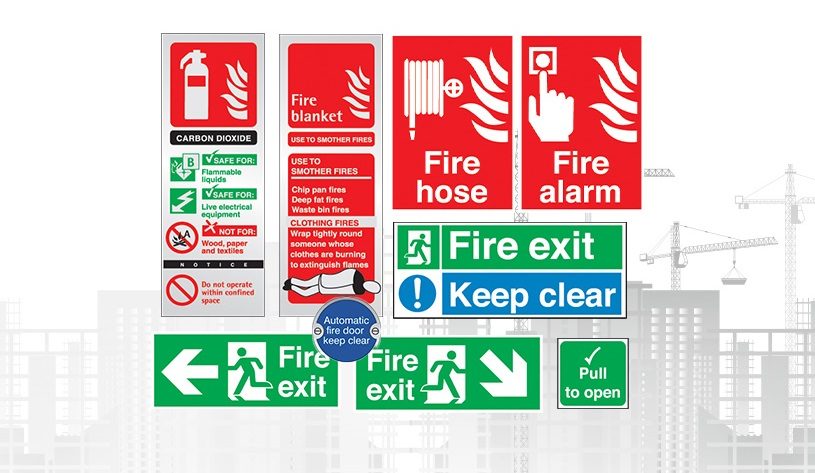
The exact fire signage required depends on the type of premises, risk level, layout and activities taking place. However, most workplaces and construction environments will require a combination of the following:
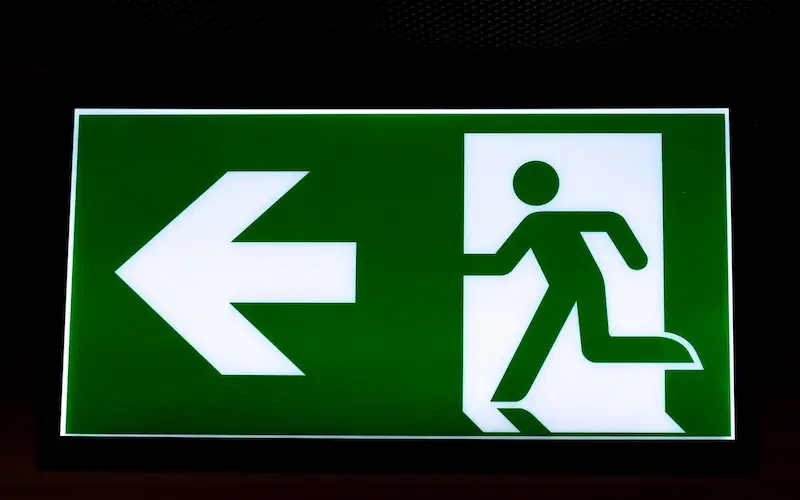
Fire exit signs identify escape routes and emergency exits. They must clearly show the direction people should travel to reach safety.
Common examples include:
Fire exit signs should be positioned so that the route to safety is obvious from all relevant areas of the building or site.
Fire action notices provide clear instructions about what people should do if a fire occurs.
Typical information includes the following:
These signs are especially important in workplaces, where employees, visitors, and contractors need clear guidance during an emergency.
Fire extinguisher signs identify the location and type of fire equipment available.
Examples include:
Signs should ensure extinguishers are easy to locate.
Assembly point signs identify the designated safe area where occupants should gather following evacuation.
A clearly marked assembly point helps:
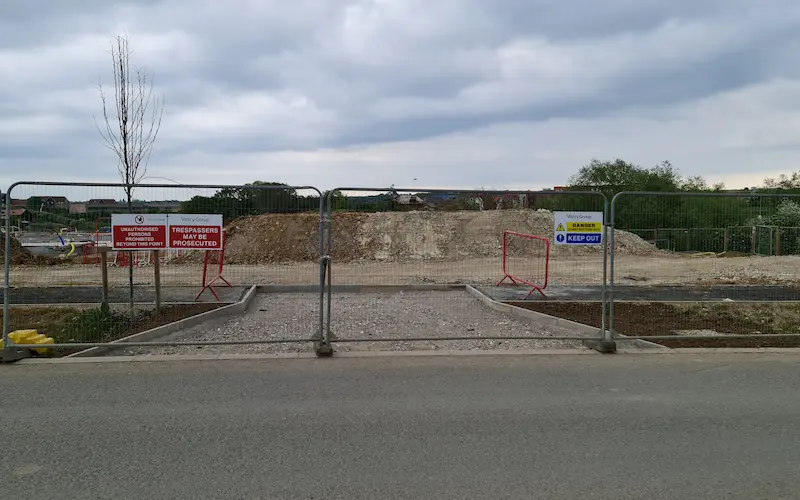
Fire signage requirements in the UK are influenced by several pieces of legislation and recognised standards.
The Regulatory Reform (Fire Safety) Order 2005 places responsibility on the responsible person within a workplace or non-domestic premises to ensure adequate fire safety arrangements are in place.
This includes ensuring:
These regulations require employers to provide appropriate safety signs where risks cannot be controlled through other methods.
Fire safety signs must be:
Learn more about H&S safety signs.
Modern safety signage uses internationally recognised symbols to ensure information can be understood quickly, including by people who may not speak English as their first language.
Using standardised symbols improves consistency across workplaces, construction sites and public buildings. Learn more about BS EN ISO 7010.
Understanding the universal fire sign colours will help workers quickly identify the purpose of different signs. Colour identification is critical during an emergency when there is little time to act.
| Colour | Meaning | Examples |
| Red | Fire equipment and prohibition | Fire extinguishers, fire alarms, no smoking signs |
| Green | Safe condition and first aid | Fire exits, emergency escape routes, first aid |
| Blue | Mandatory instruction | Wear PPE signs |
| Yellow | Warning and caution | Hazard warnings |
Whenever a site layout changes, fire signage should be reviewed to ensure emergency information remains accurate. Construction site managers should consider signage for:
A compliant construction site should consider the following:
☐ Fire exits clearly marked
☐ Emergency routes identified
☐ Fire extinguishers labelled
☐ Fire points clearly visible
☐ Fire alarm locations marked
☐ Assembly point identified
☐ Temporary buildings signed correctly
☐ Hazard areas clearly marked
☐ Signs visible from normal approach routes
☐ Damaged or faded signs replaced
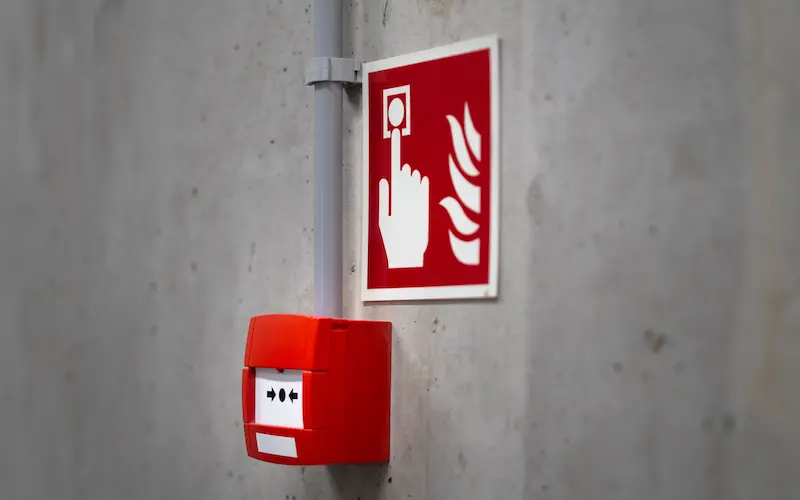
Correct fire sign placement is just as important as choosing the correct sign. A fire exit sign that cannot be seen, a fire extinguisher sign hidden behind equipment, or a fire action notice positioned where nobody reads it can compromise emergency response.
Fire safety signs should always be positioned so that people can quickly identify important information without confusion or delay.
When installing fire signage, consider:
The goal is simple: anyone unfamiliar with the building or site should be able to understand where to go and what to do during an emergency.
Fire signs should generally be installed:
For construction sites, signage may need to be positioned higher or protected from damage due to changing site conditions.
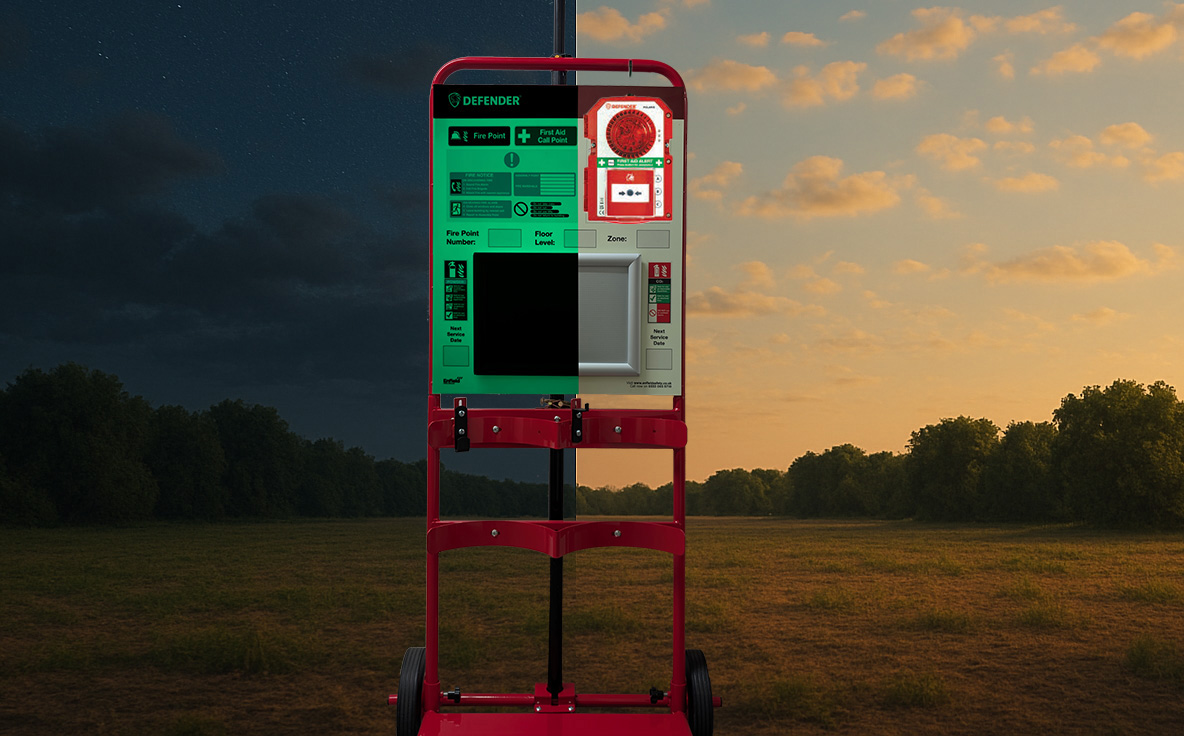
Photoluminescent signs absorb ambient light and continue to emit a visible glow when normal lighting fails.
They are particularly useful in:
Benefits include:
Fire signage should be included within regular workplace and construction site safety inspections.
A damaged or missing sign may only become noticeable during an emergency, which is why proactive checks are essential.
Check that:
☐ Fire exit routes remain clearly marked
☐ Signs are visible and not blocked
☐ Temporary changes have been updated
☐ Fire equipment locations remain identifiable
Review:
☐ Signs are clean and readable
☐ Symbols have not faded
☐ Fixings are secure
☐ Signs have not been damaged
☐ Emergency information remains accurate
Fire signage should be reviewed whenever:
On construction projects, signage should evolve with the site rather than remain unchanged throughout the build.
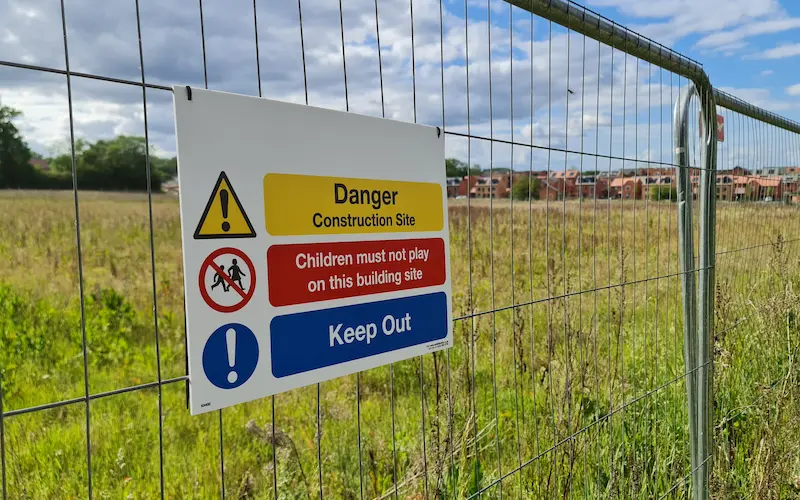
Even sites that take fire safety seriously can make mistakes with signage.
Safety standards evolve, and older signage may no longer meet current expectations.
Using recognised safety symbols helps ensure information is understood quickly.
A sign is only effective if people can see it.
Common problems include:
This is particularly common on construction projects.
Examples:
Outdoor signs and construction signage are exposed to:
Damaged signage should be replaced immediately.
Large buildings and complex sites often require multiple signs to create a clear escape route.
The correct amount depends on:
Responsibility for fire signage falls on the “responsible person” under fire safety legislation.
On construction projects, responsibilities should be clearly defined between:
The required fire signs depend on the type of premises, fire risk assessment and escape arrangements. Most workplaces require signs identifying fire exits, firefighting equipment, fire alarm points and emergency instructions.
Where escape routes could be unclear, fire exit signs are required to ensure people can safely find their way out of a building.
Fire safety signs commonly use red for fire equipment and prohibition, green for emergency escape routes, blue for mandatory instructions and yellow for warnings.
Fire signage should be inspected regularly as part of workplace fire safety checks. Additional checks should be completed after any changes to the building, workplace or construction site layout.
Fire signs do not have a fixed expiry date, but they should be replaced when they become damaged, faded, outdated or no longer clearly visible.
Yes. Construction sites require suitable fire signage based on their risks, layout and changing conditions.
Not always. Their requirement depends on the building design, risk assessment and emergency arrangements. They are often used to improve visibility during reduced lighting conditions.
Fire extinguisher signs should be positioned above or close to extinguishers, so they remain easy to identify, even if the equipment itself is temporarily obscured.
Effective fire signage is not simply about compliance; it is about helping people make the right decision quickly during an emergency.
At Defender, we understand that construction environments are constantly changing. Fire safety signage should be reviewed alongside site progress, risk assessments and emergency procedures to ensure it continues to provide clear guidance when it matters most.
The most effective fire signage strategy combines:
A well-planned signage system supports safer workplaces and helps businesses maintain compliance with UK fire safety expectations.
By understanding fire signage regulations, choosing appropriate signs and maintaining them properly, businesses can create safer environments for employees, contractors and visitors. Request a quote today or speak to our signage experts.